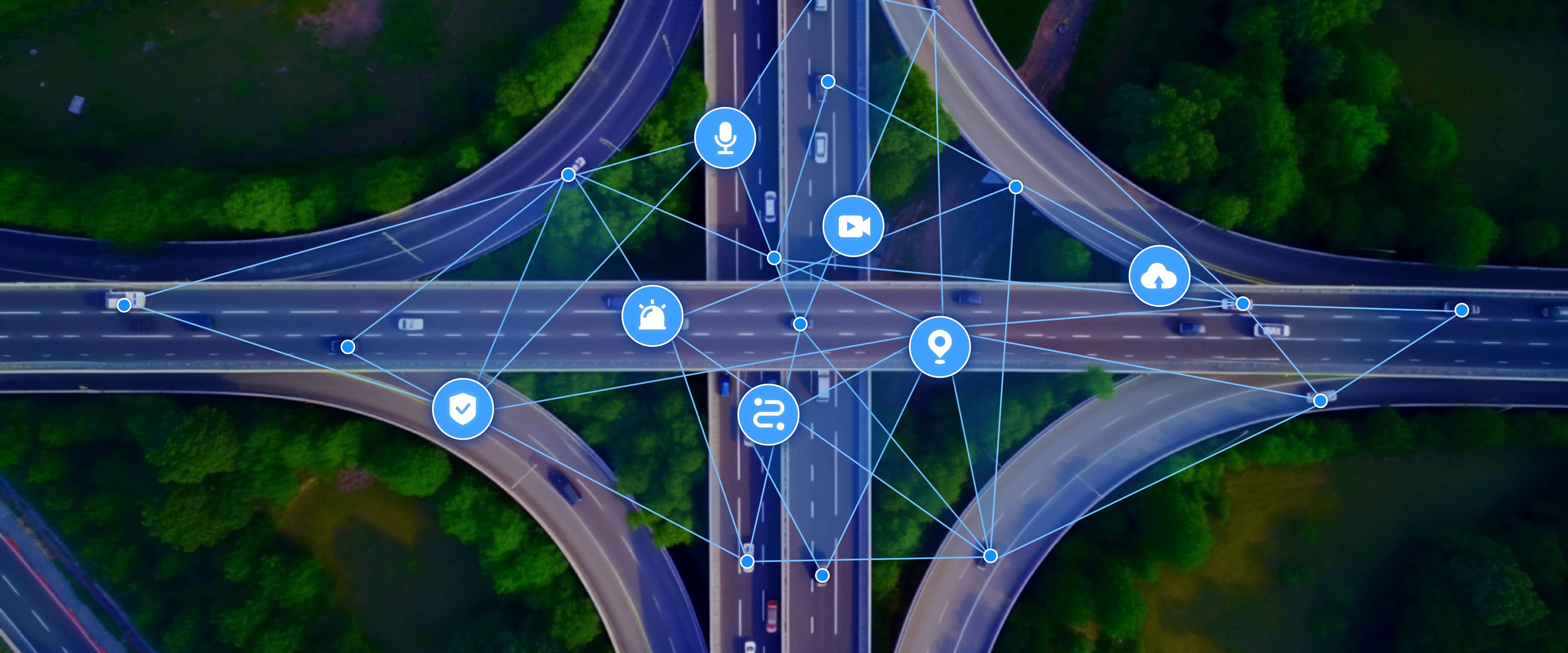
In the second half of 2026, in-vehicle AI is moving from isolated features toward systematic edge-cloud collaboration. Unlike earlier systems that relied on local algorithms for basic fatigue and forward-collision warnings, the new generation of AI terminals introduces multimodal models that fuse video, audio, CAN bus and positioning data, identifying risks in milliseconds and turning them into semantic event descriptions before sending them to the cloud for verification and strategy iteration. Three forces drive this shift: rising onboard compute from automotive-grade AI chips, better connectivity through 4G/5G and edge nodes enabling a closed loop of "edge decision, cloud evolution", and clearer regulatory expectations around complete, traceable evidence chains. For fleet operators, the benefit is tangible: fewer false alarms, accident forensics upgraded from watching video to reading events, and OTA upgrades that add new capabilities without replacing hardware. Huayao Tech has been rolling out this architecture across its MDVR product line, combining H.265 encoding, multi-camera input and active safety algorithms to help passenger transport, cold-chain and construction-waste fleets move from post-incident accountability to pre-incident prevention. The industry widely expects in-vehicle AI to evolve from an assistant tool into core infrastructure for commercial vehicle safety operations.
4CH/8CH MDVR, H.265 encoding, up to 9 cameras, JT/T 808 compliant
View MDVR Product →